PharmaLink
- Next.js
- React
- TypeScript
- REST APIs
- Geolocation
- Material UI
Three groups, one broken process: patients ringing round to find a pharmacy that stocks their medication, pharmacies buried in those calls, and no one with oversight of either. PharmaLink gives each of them a purpose-built interface over one shared system.
A Tri-Sided Ecosystem
PharmaLink is a comprehensive three-sided platform designed to streamline pharmacy operations. It features distinct, purpose-built interfaces for Patients, Pharmacies, and System Administrators, all unified under a clean, trustworthy green-and-white theme that evokes health, growth, and reliability.
Project Vision
To create a seamless, location-based bridge between patients, pharmacies, and administrators, digitizing the prescription fulfillment process from request to pickup with clarity and efficiency.
Key Features & User Journey
- Gateway & Access: A simple, intuitive entry point presents three clear pathways: Patient, Pharmacy, and Admin.
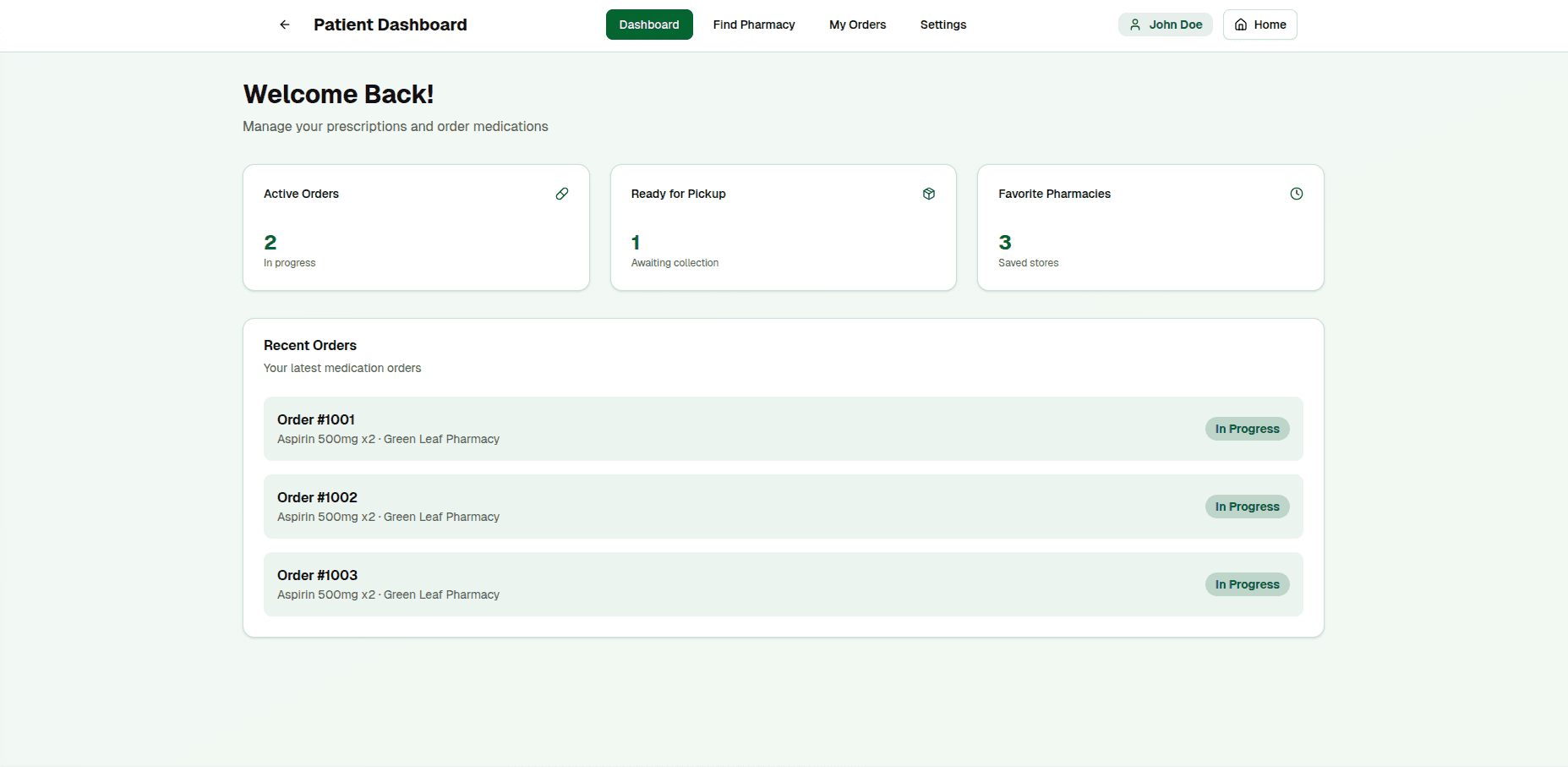
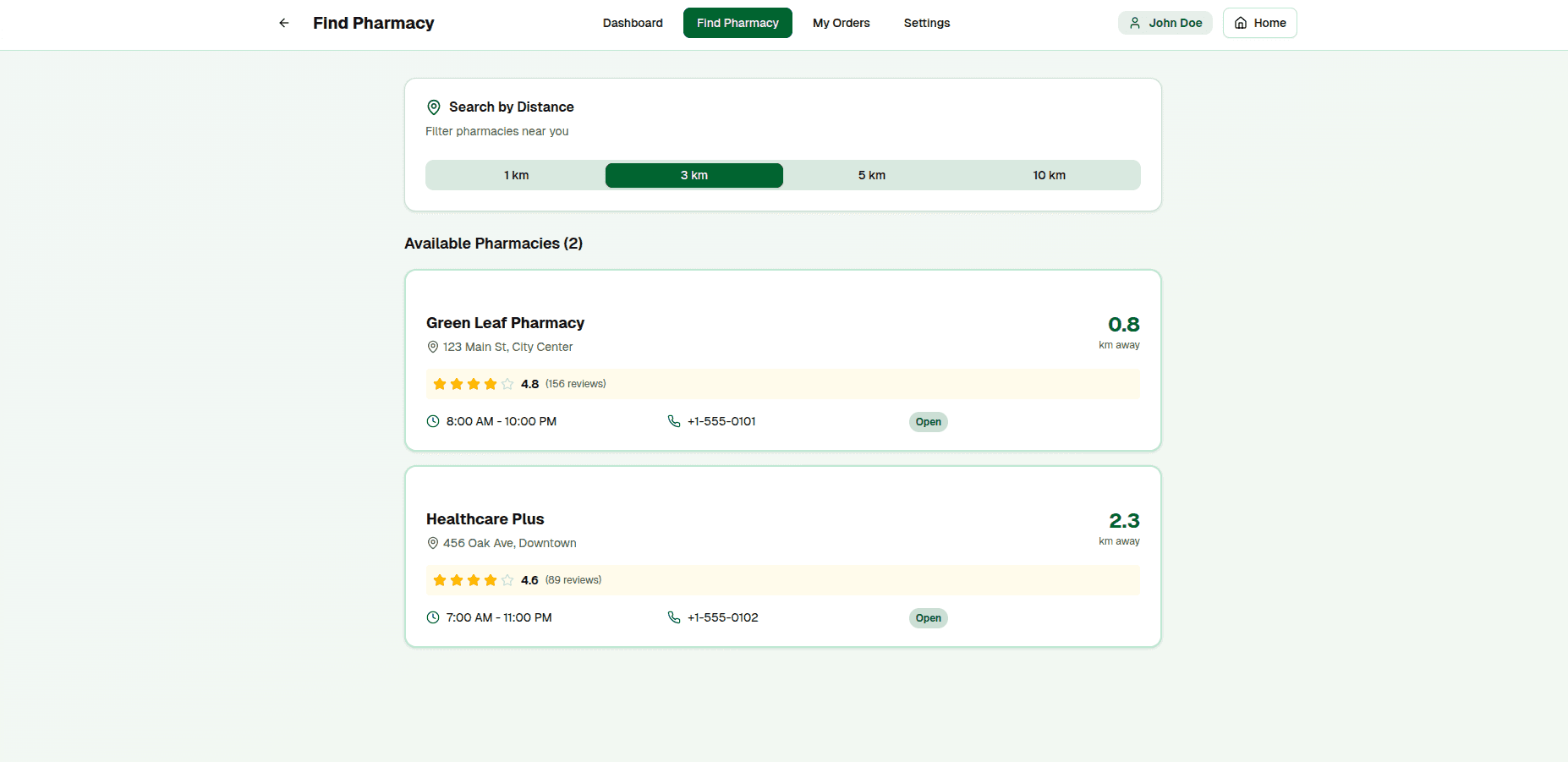
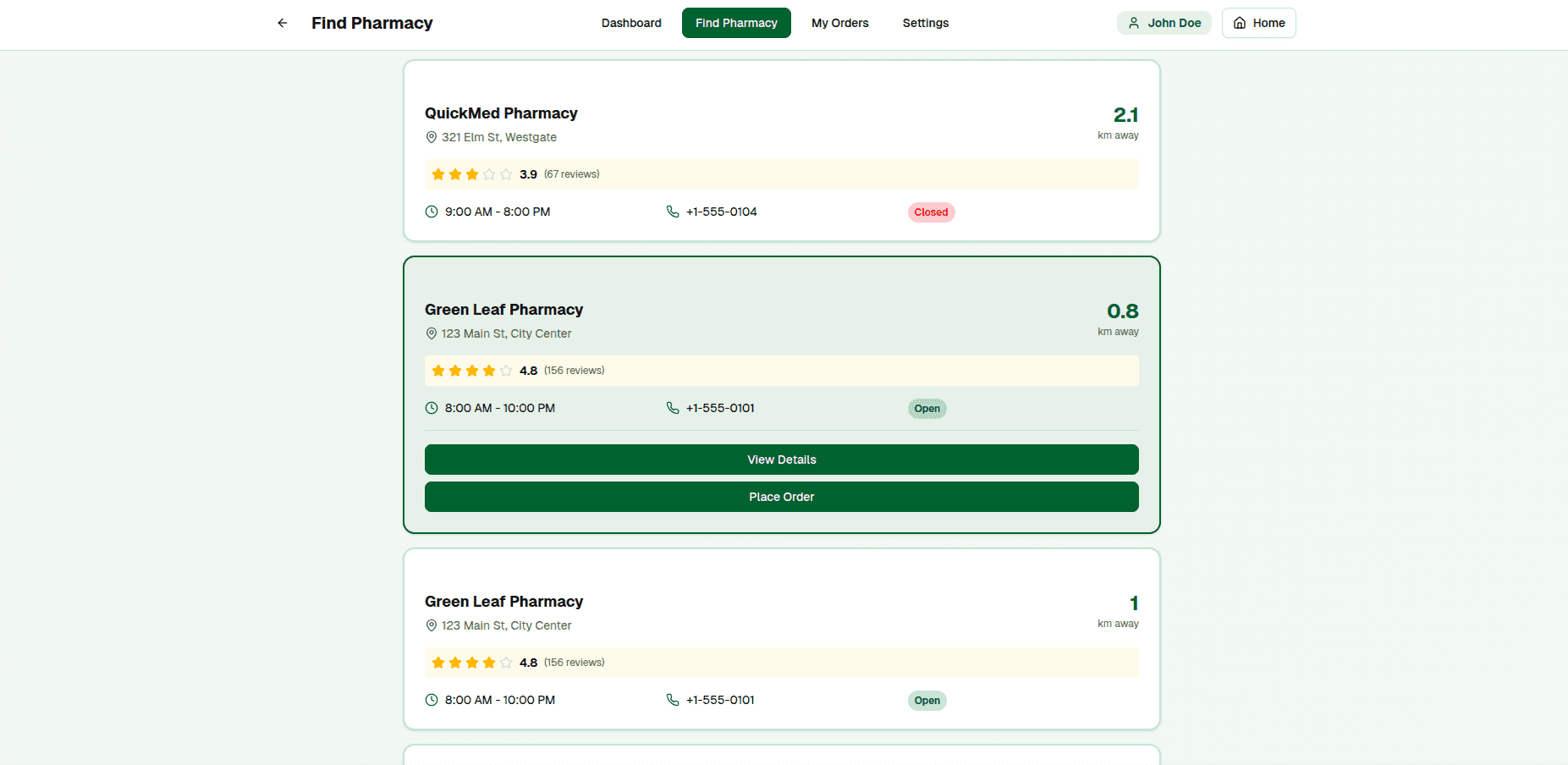
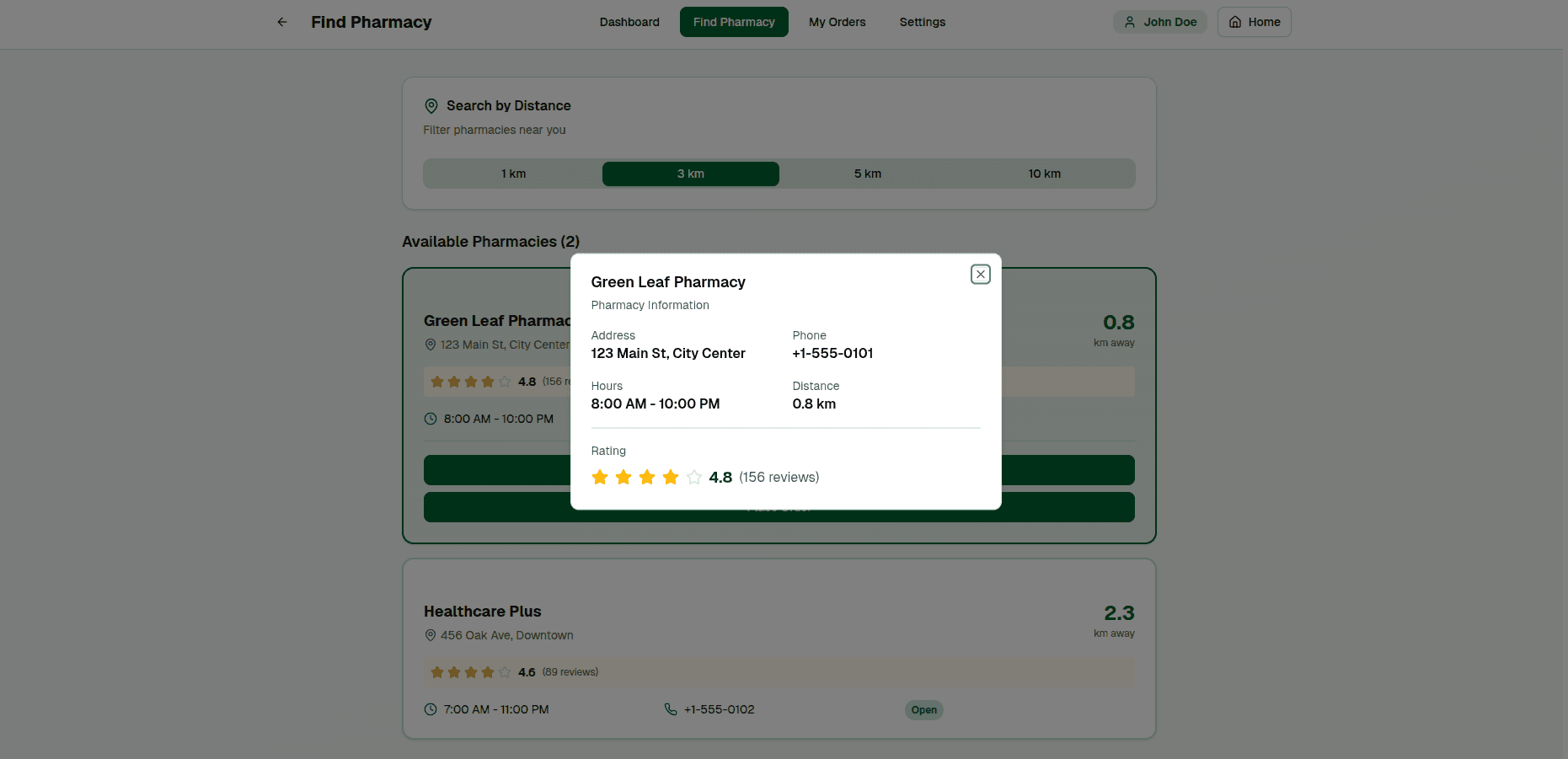
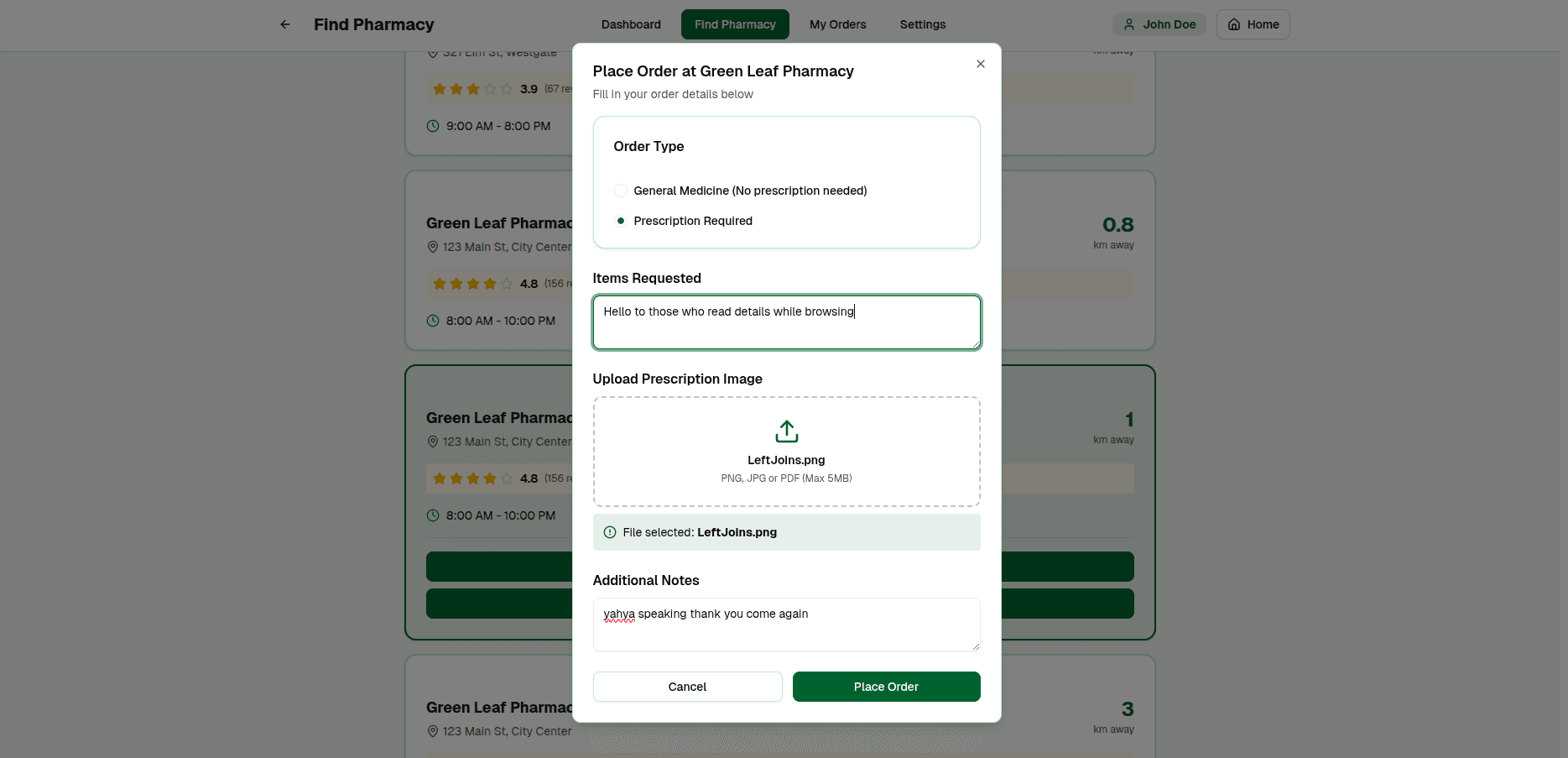
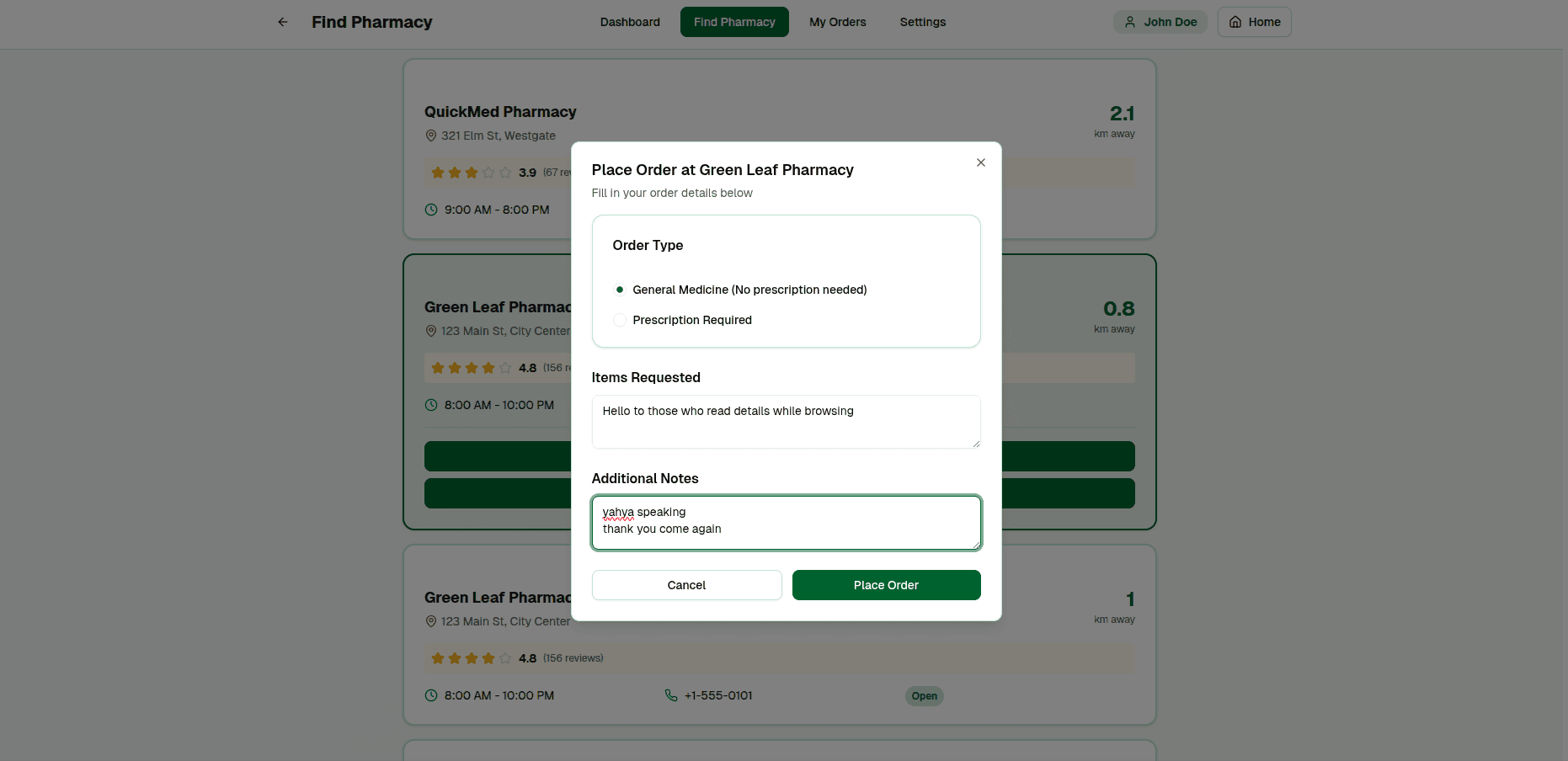
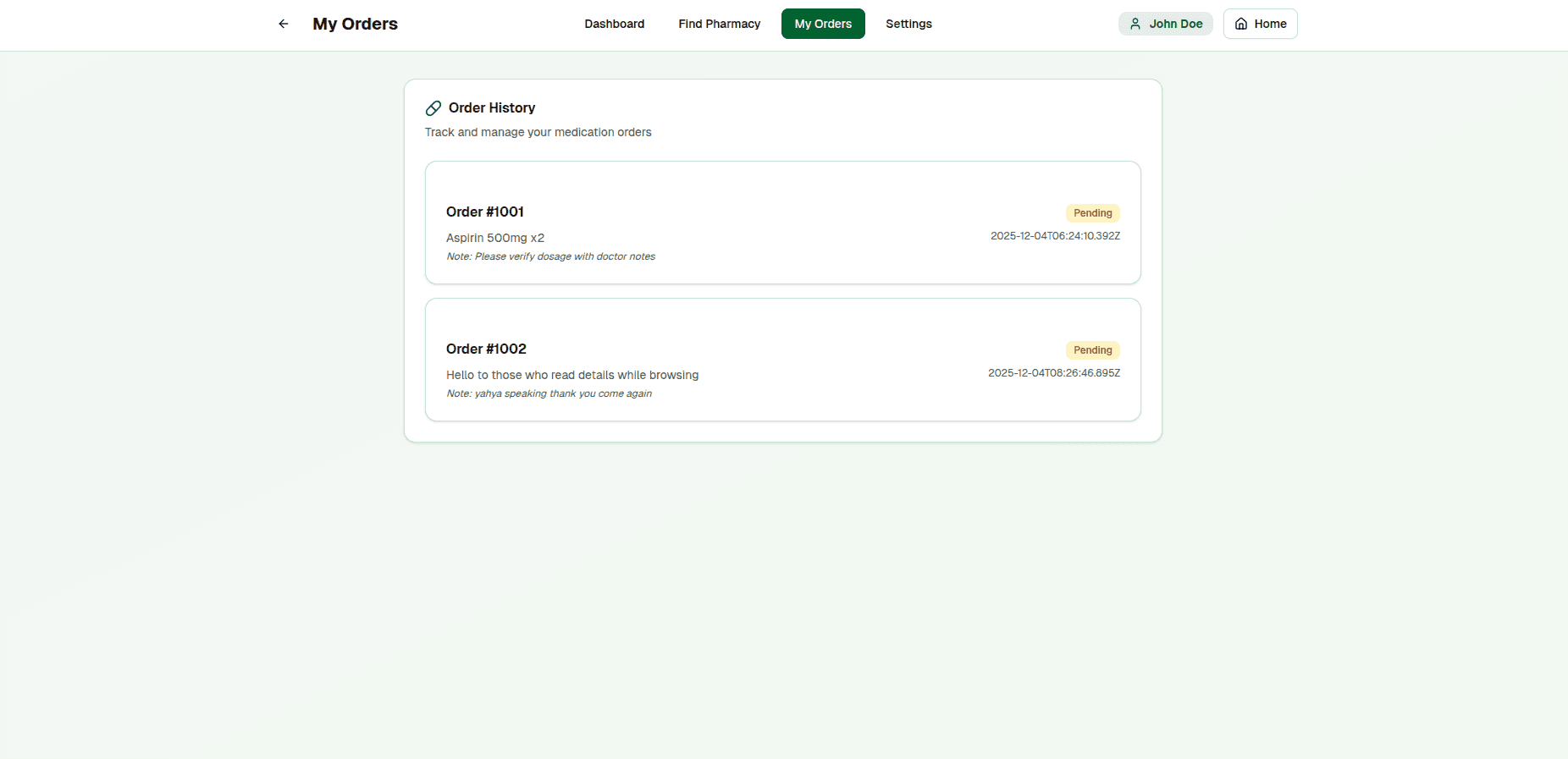
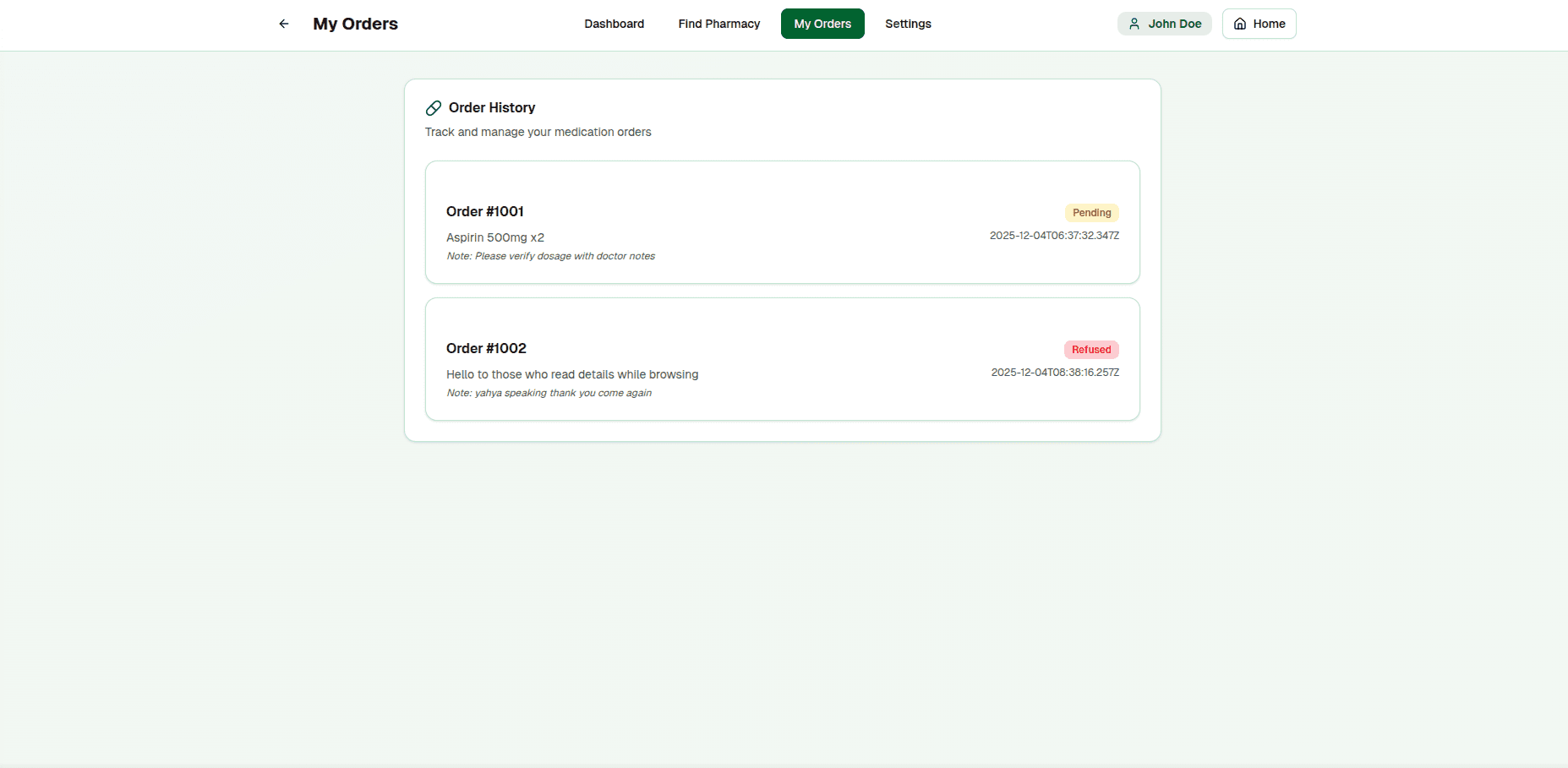
- For Patients: Discover nearby pharmacies, upload prescriptions, and track orders in real-time.
- For Pharmacies: Manage orders efficiently with a centralized dashboard and automated notifications.
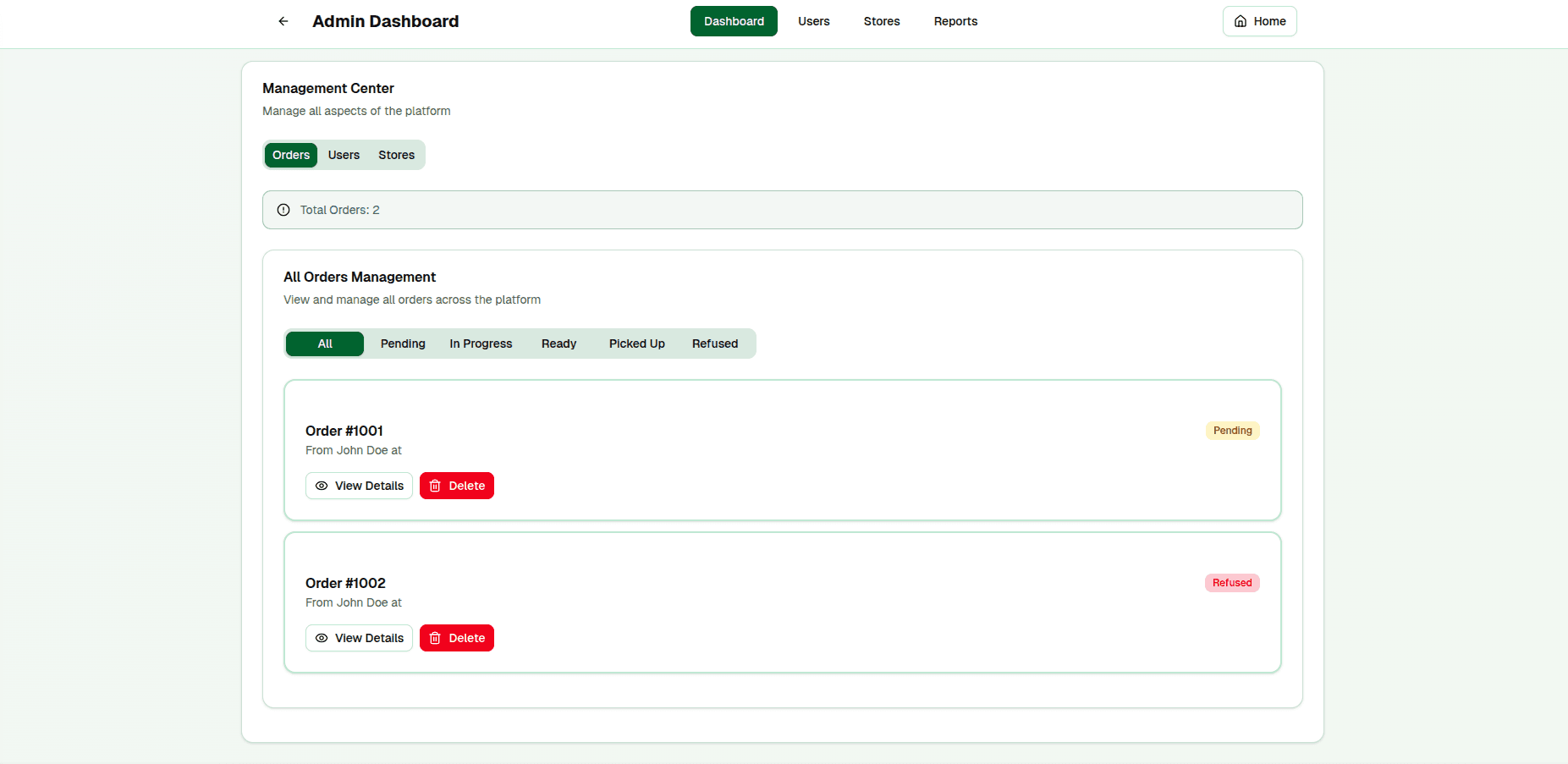
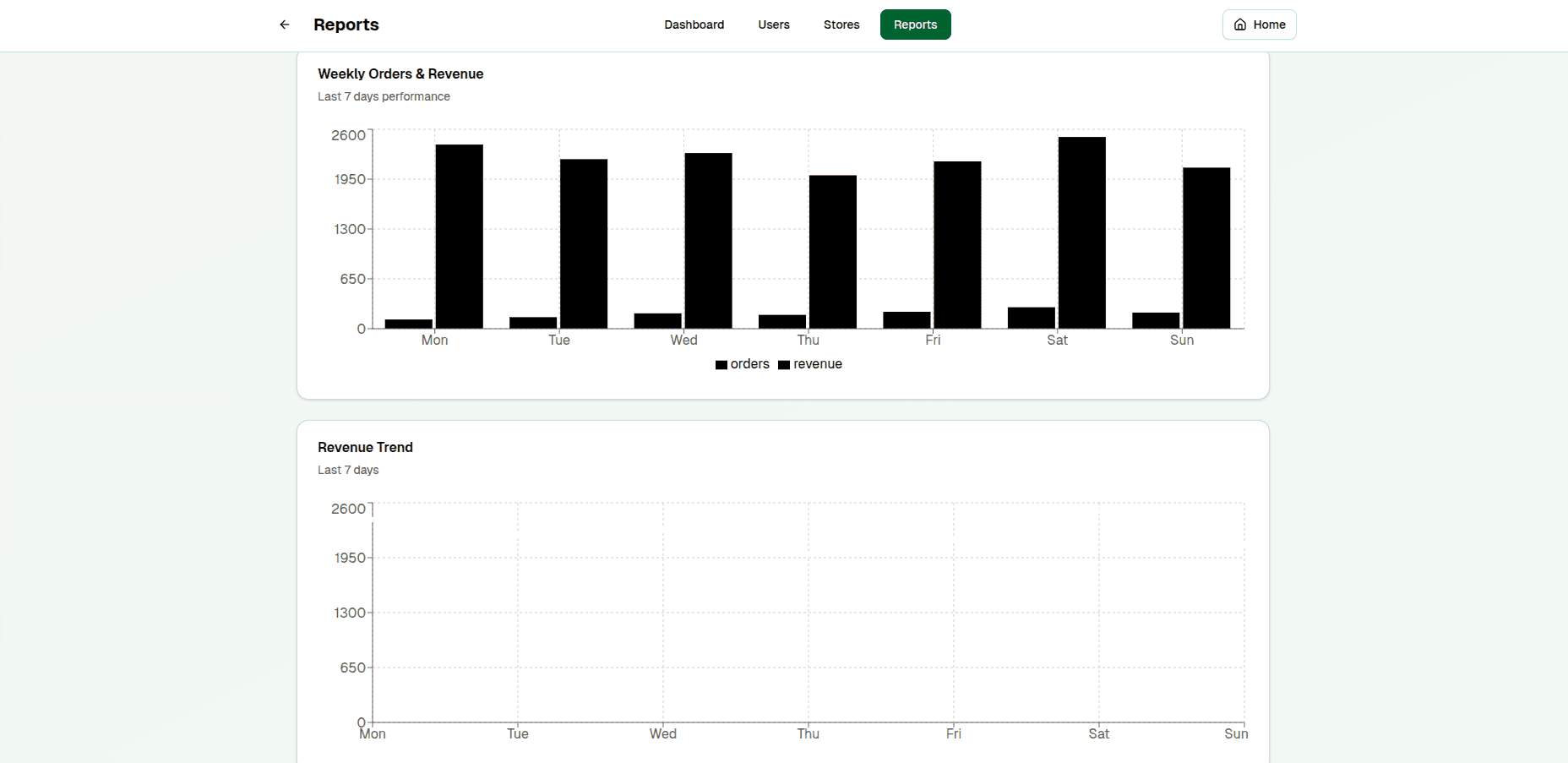
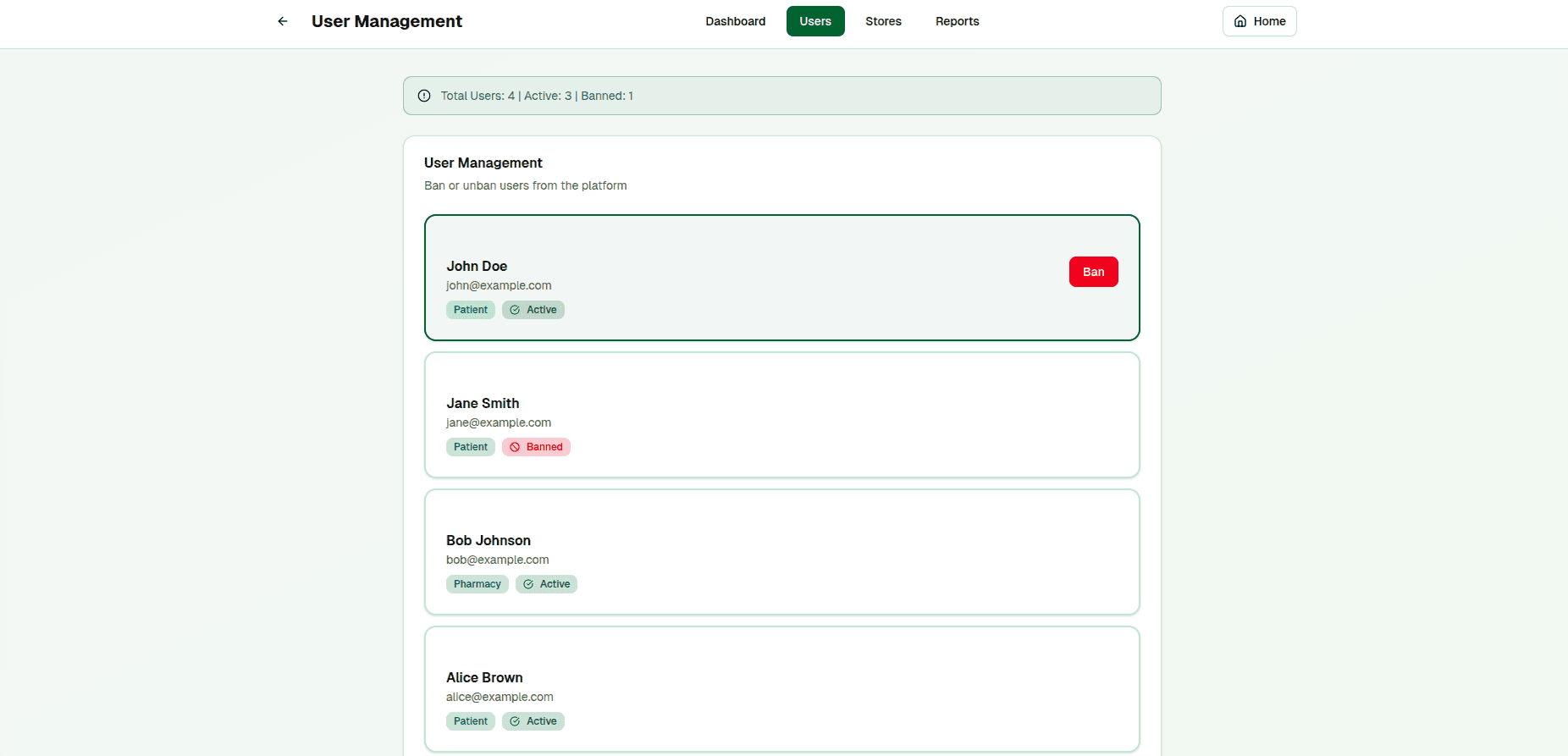
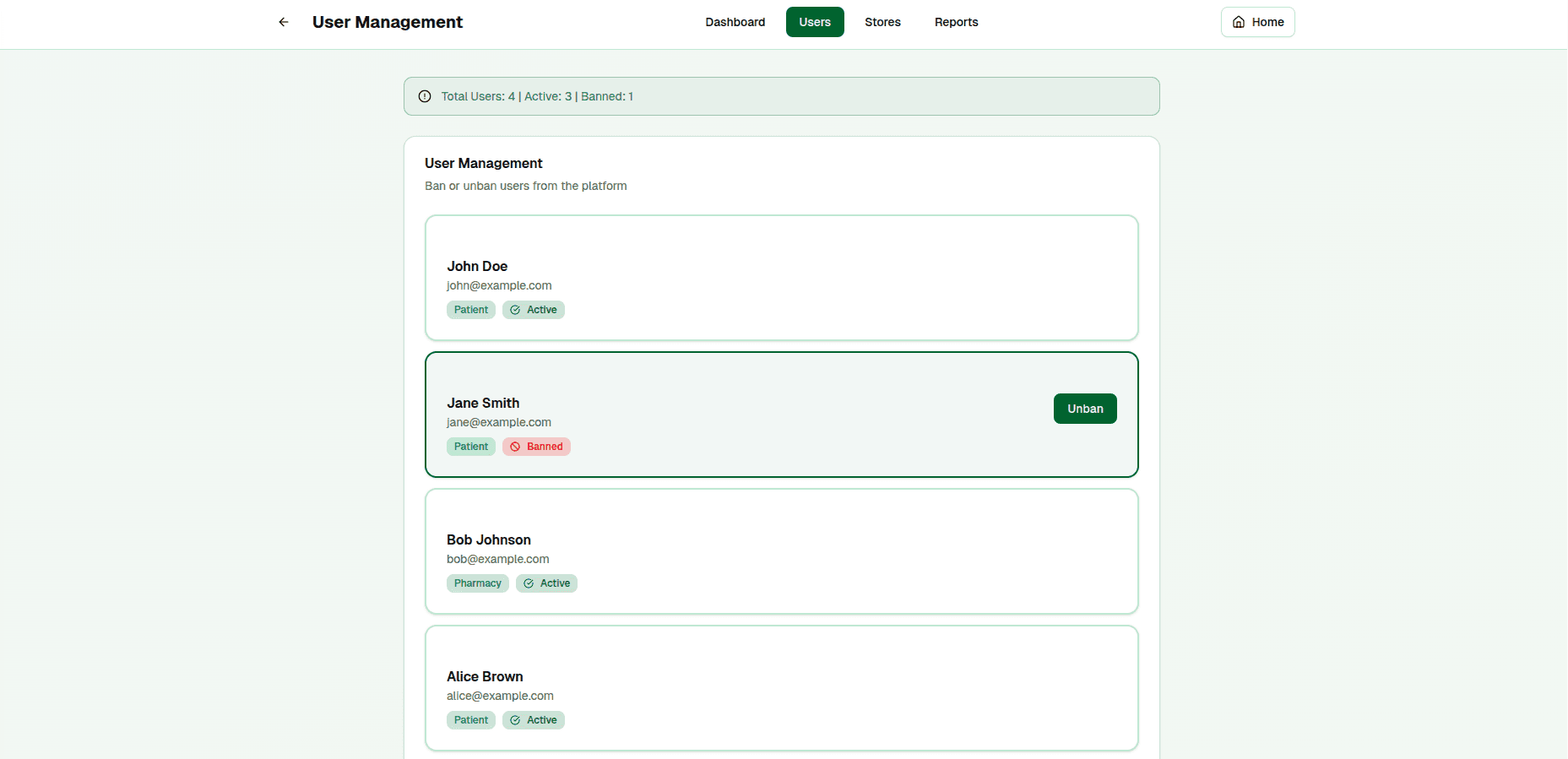
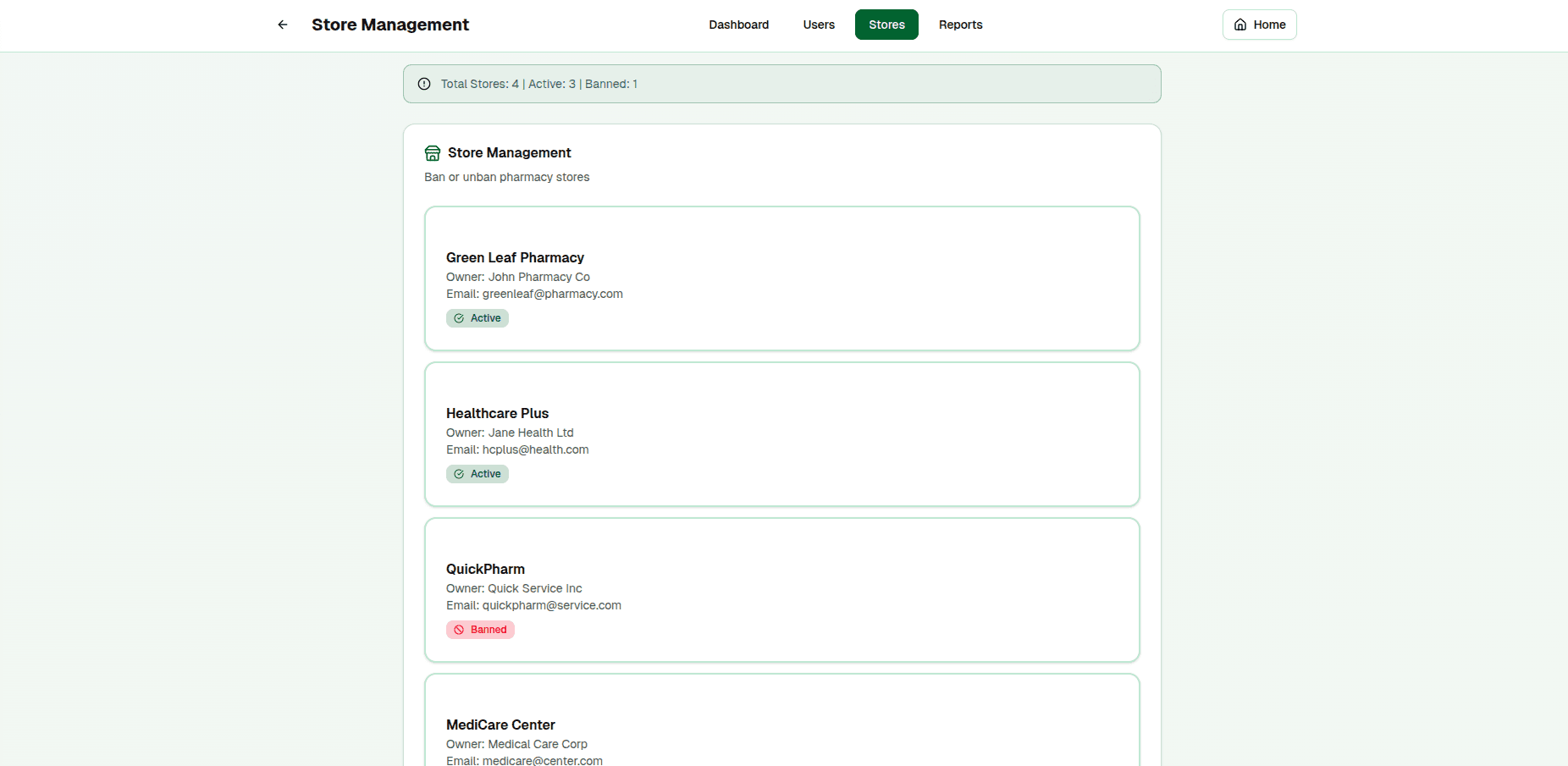
- For Administrators: Ensure platform integrity with full moderation capabilities and analytics.
For Patients
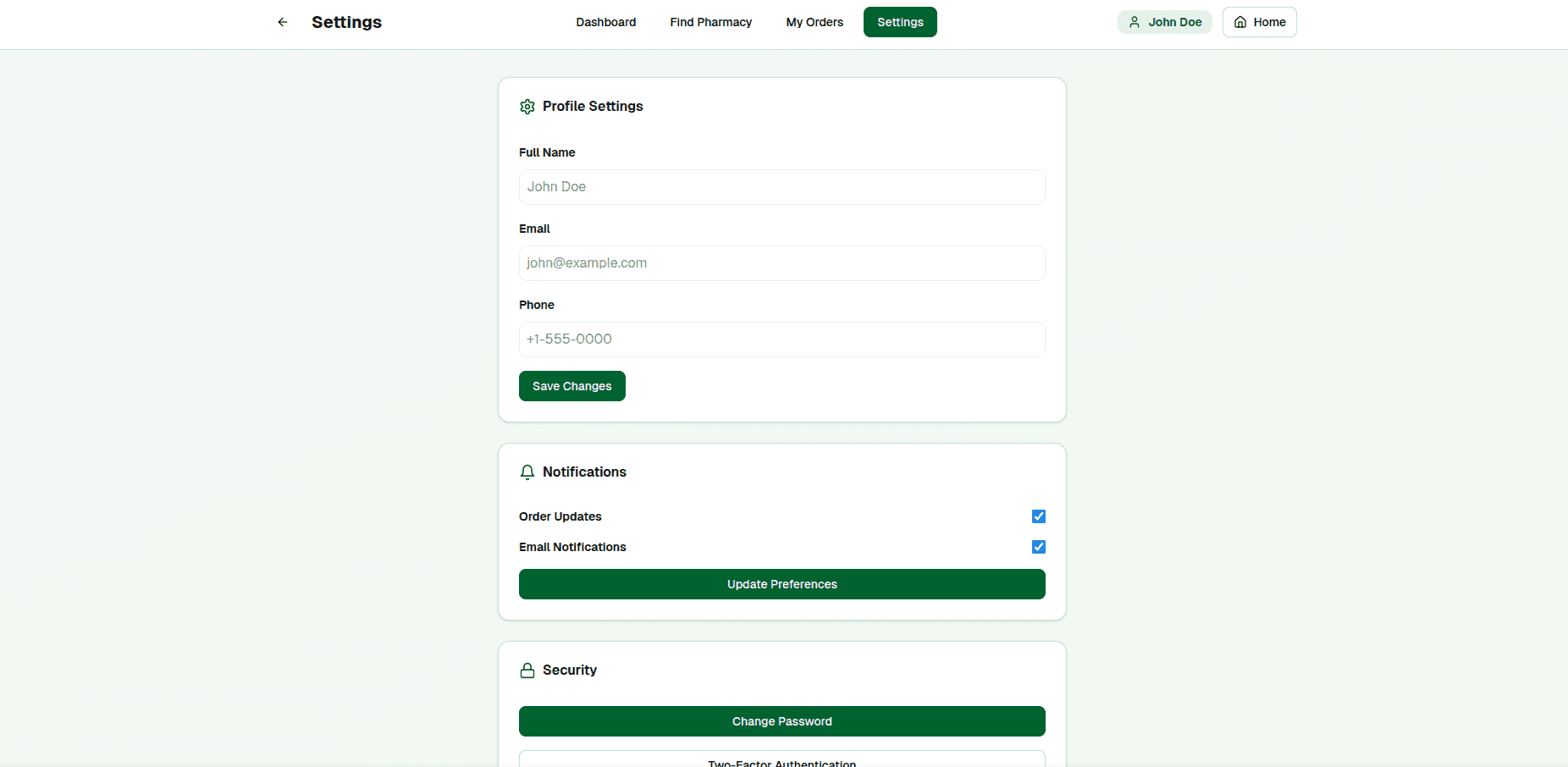
Convenience at Their Fingertips. Features a Smart Pharmacy Locator, Digital Request Submission, and Real-Time Order Tracking.
For Pharmacies
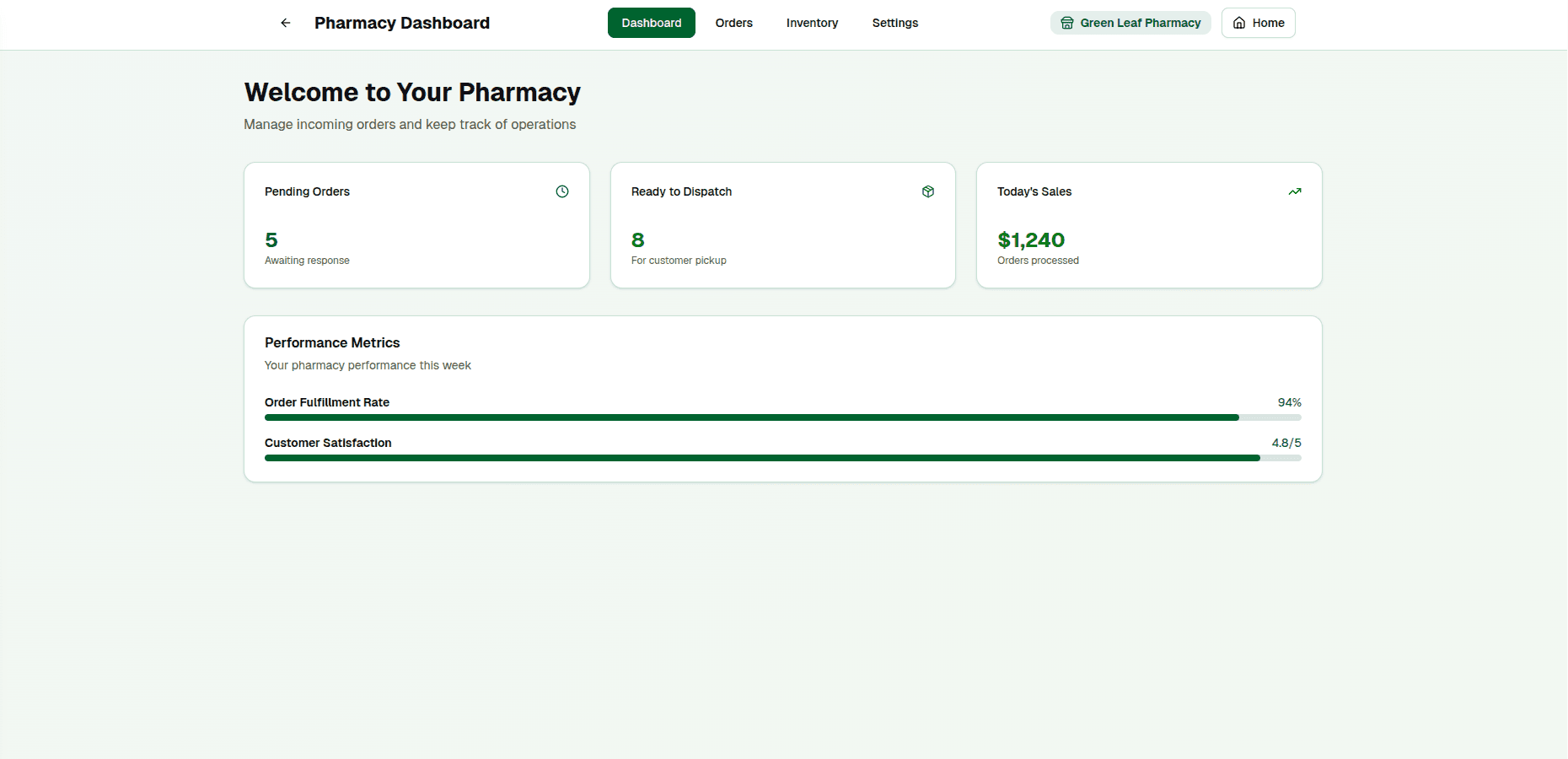
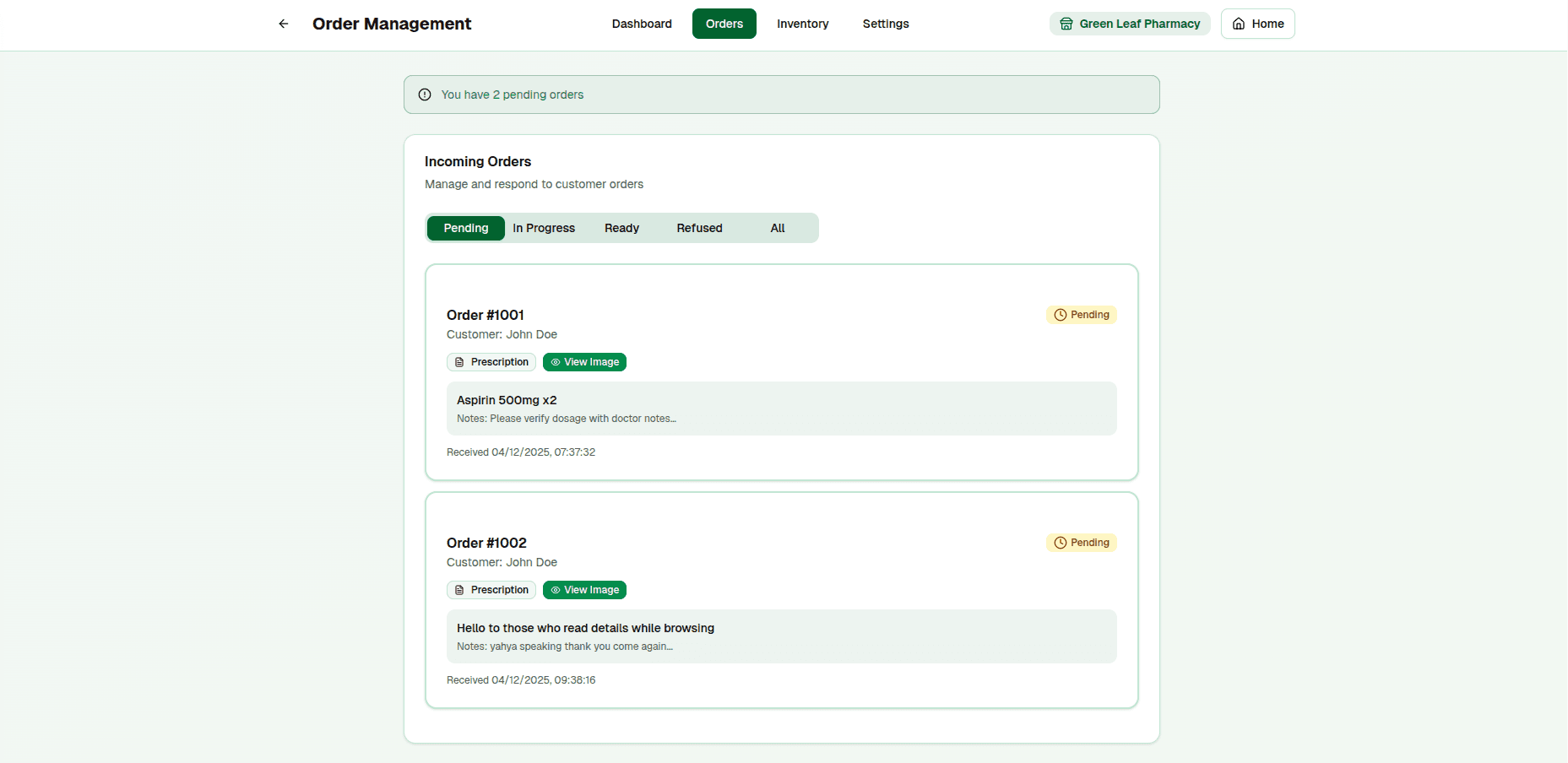
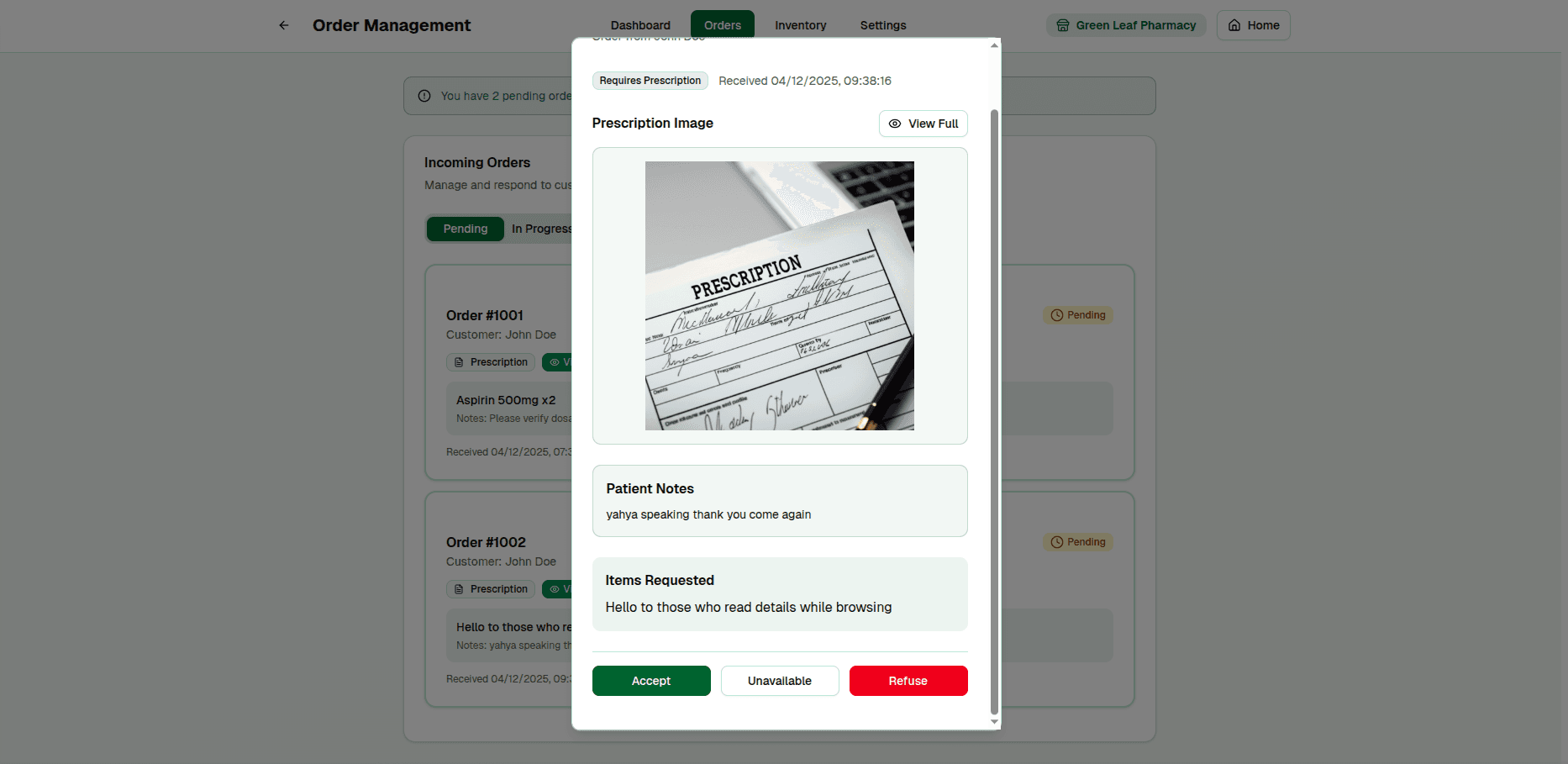
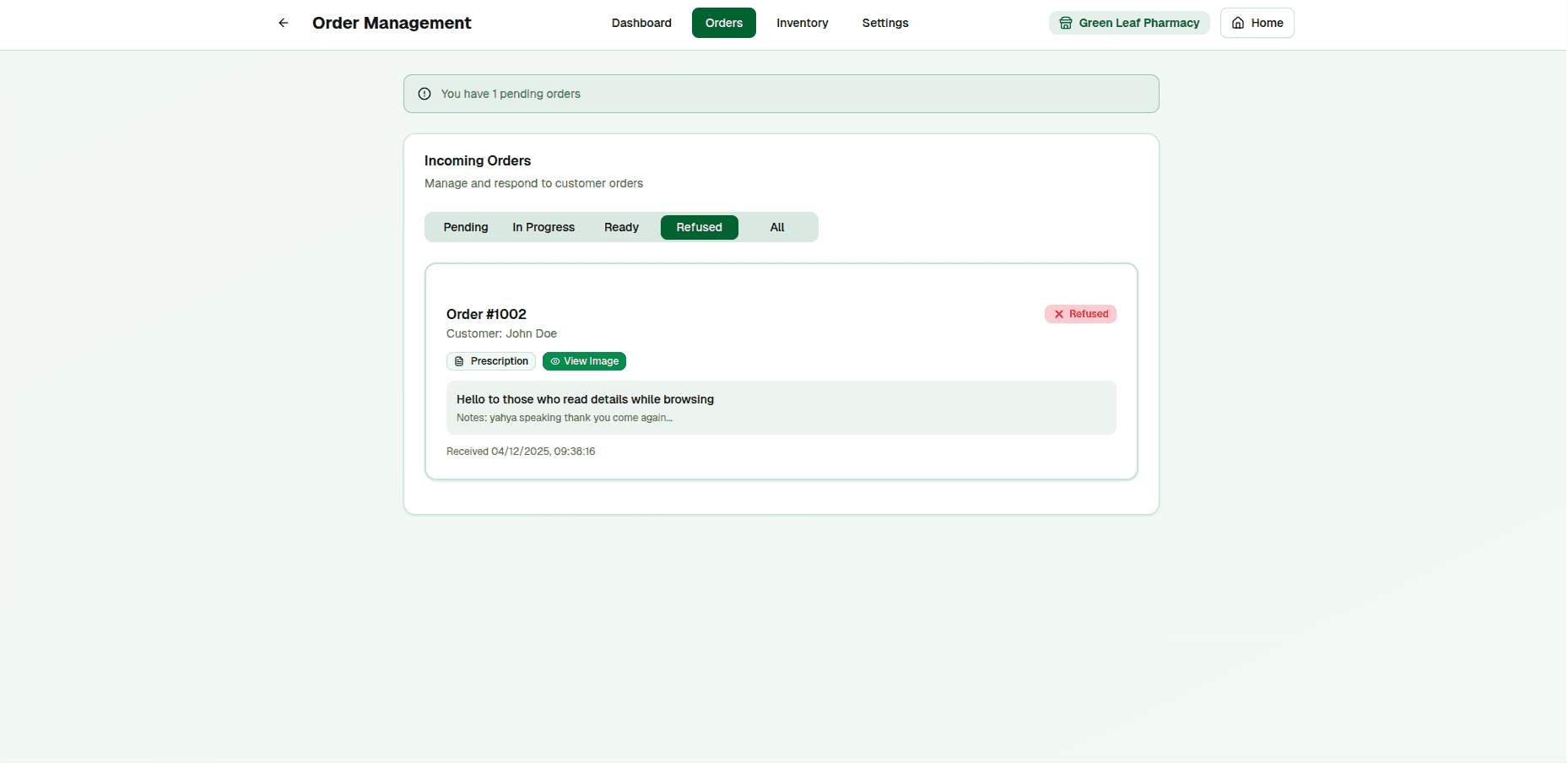
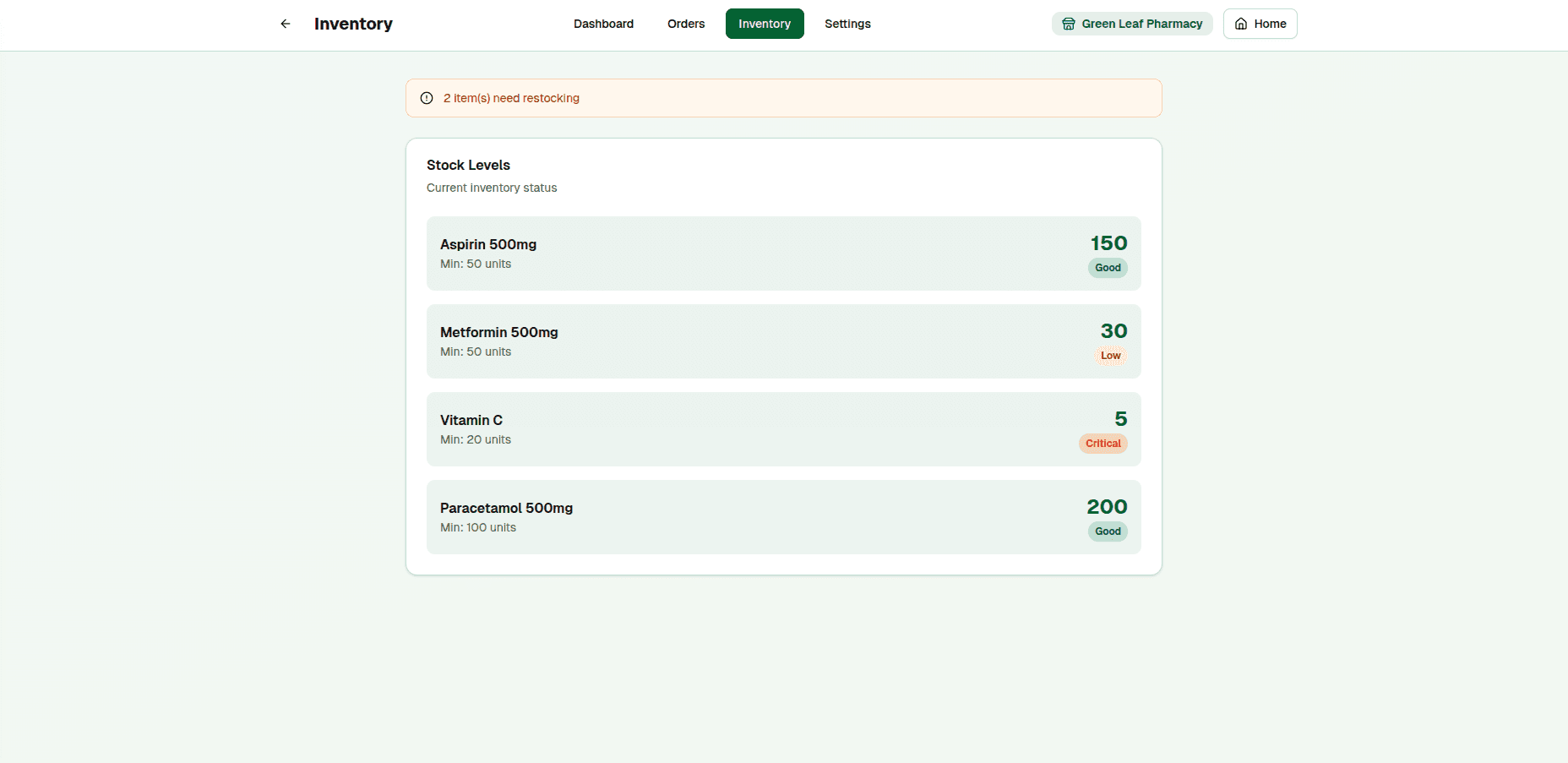
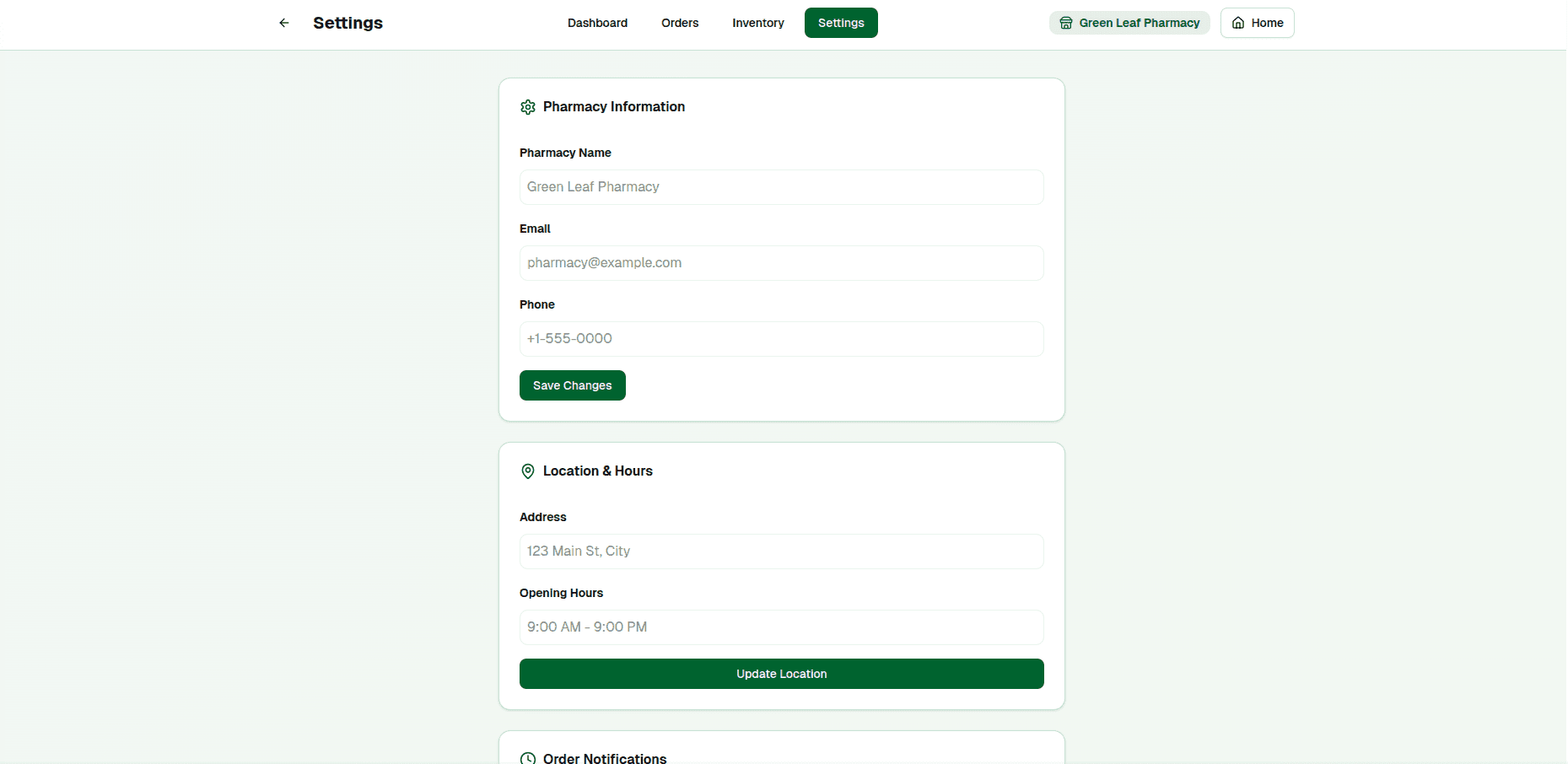
The Digital Counter. Includes a Centralized Order Dashboard, Streamlined Order Management, and Automated Status Communication.
For Administrators
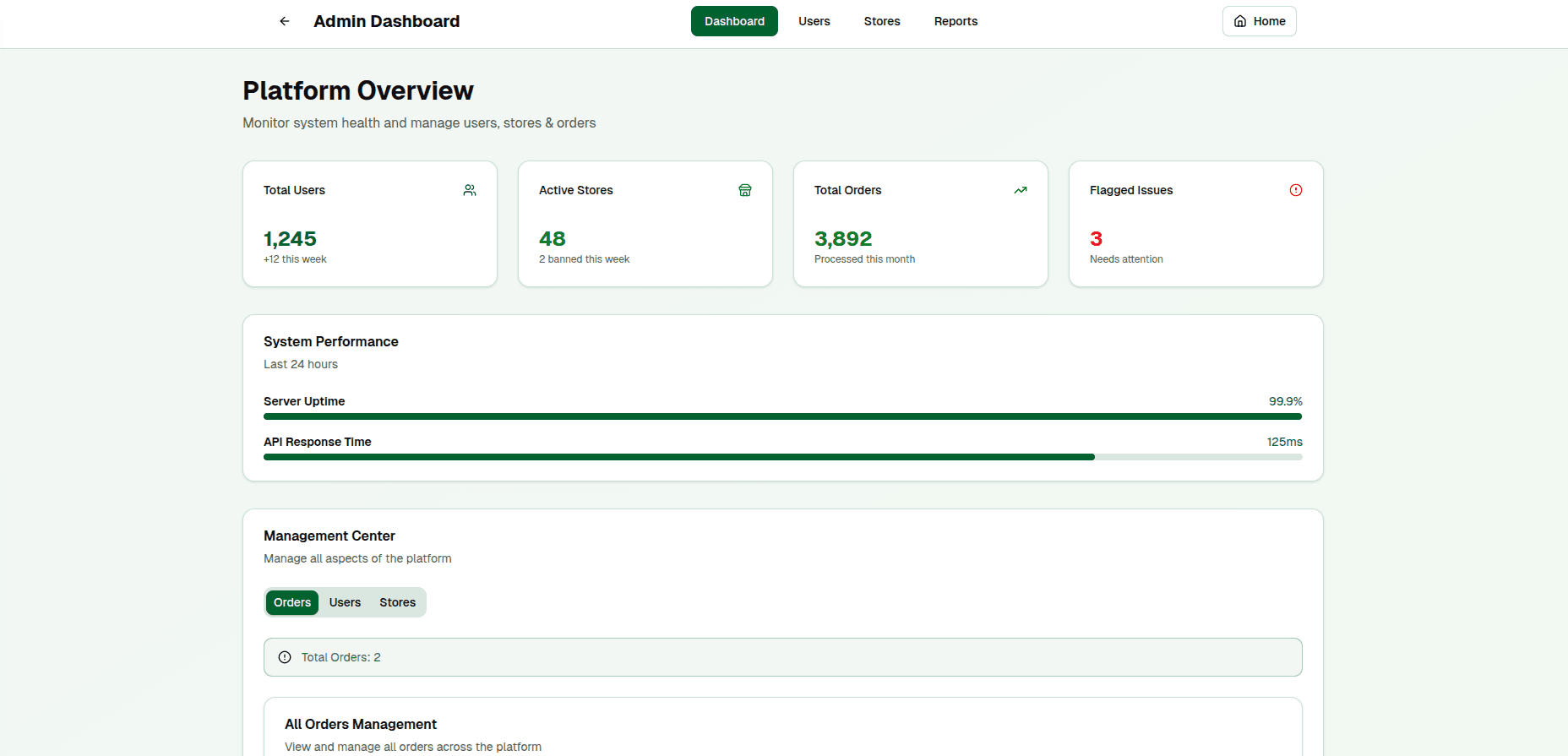
Oversight & Control. Provides User & Store Moderation, Dashboard Analytics, and System Settings.
What I Learned
PharmaLink taught me the complexities of designing for multi-sided marketplaces. Balancing the distinct needs of patients, pharmacists, and administrators within a single ecosystem required careful planning and a modular frontend architecture. I learned how to manage complex state across different user roles and ensure data consistency in real-time. But most importantly, it taught me the speed of learning a new tech and applying it effectively in a high-stakes environment. Designing a UI that instills trust—crucial in healthcare—pushed me to refine my skills in color theory and accessible design.